

Oysters were shipped throughout Canada and to California, Colorado, Florida, Hawaii, Minnesota, New Jersey, New York, Oregon, Texas and Washington. To date, 279 norovirus illnesses reported in Canada, 26 in Washington, 34 in California, 29 in Minnesota and now 4 in Hawaii. Colorado, Florida, New Jersey, New York, Oregon and Texas have yet to report.
26 now ill with Norovirus linked to Oysters in Washington – Hawaii raises warning
 Illnesses are reported in three Washington Counties – Clark, King, and Snohomish.
The Washington State Department of Health (DOH) has updated its advisory to Washington residents to not serve or eat certain oysters harvested from the south and central parts of Baynes Sound, British Columbia, Canada until further notice. The advisory is in alignment with
Norovirus tainted Oysters from Canada sent to California, Colorado, Florida, Hawaii, Minnesota, New Jersey, New York, Oregon, Texas and Washington
 Thus far illnesses have been reported:
California: The California Department of Public Health (CDPH) warned consumers April 2, 2022, not to eat raw oysters from British Columbia, Canada because they may be linked to an outbreak of norovirus illnesses in California. In California, at least 34 persons have become ill following the consumption of oysters
Norovirus Outbreak linked to Canadian Oysters spreads to California, Minnesota, and Washington – At least 360 sickened to date – more illnesses expected
 Norovirus makes its way into the marine environment through untreated human sewage (poop) and vomit. This may come from leaky septic systems, faulty waste water treatment plants, boaters, or beach-goers. Shellfish are filter feeders, which means they filter seawater through their bodies to get food floating in the water. When norovirus particles are in the
34 with Norovirus in California linked to Canada Oysters
 The California Department of Public Health (CDPH) warned consumers today not to eat raw oysters from British Columbia, Canada because they may be linked to an outbreak of norovirus illnesses in California. Canadian officials continue to investigate the source of norovirus illnesses and have closed multiple growing regions in British Columbia for sanitary contamination.
Raw Oysters still top my list of foods I avoid
in 2016 I was speaking with the good people at BottomLineHealth about the “Six things this food safety expert won’t eat,” (no longer a site, but reprinted here), and I was as surprised as my daughters at how viral (or, is that bacterial?) the list went. It now has been around the globe on
Seattle – Elliott’s, The Pink Door, Enzo’s Bistro and Bar, Taylor Shellfish, Goldfinch Tavern, Shucker’s, Ivar’s and Robbinsdale – Travail Kitchen linked to Norovirus Raw Oyster Outbreak
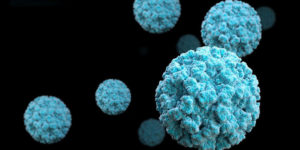 The Minnesota Department of Health, Hennepin County Public Health, and the Minnesota Department of Agriculture are working with federal officials and public health agencies in other states and Canada to investigate norovirus illnesses associated with oysters harvested from Bay 14-8 in British Columbia. Twenty-nine Minnesotans have been sickened in this outbreak. They became ill with
Washington State Department of Health issues health advisory for Norovirus illnesses linked to raw oysters
 Individuals sickened after consumption of oysters from British Columbia, Canada
Officials at the Washington State Department of Health (DOH) advise Washington residents to not serve or eat raw oysters harvested from an area of British Columbia (BC), Canada until further notice. Eighteen Washington residents have reported norovirus-like illness after eating BC oysters from harvest area
A Baker’s Dozen of years of Oyster Norovirus Outbreaks
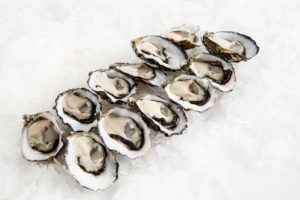 Norovirus makes its way into the marine environment through untreated human sewage (poop) and vomit. This may come from leaky septic systems, faulty waste water treatment plants, boaters, or beach-goers. Shellfish are filter feeders, which means they filter seawater through their bodies to get food floating in the water. When norovirus particles are in the
26 Seattle Norovirus cases associated with the consumption of raw oysters
 Unclear if linked to Canadian and Minnesota Norovirus cases.
In general, raw oysters are most likely to be contaminated in the water before harvesting. Regardless, Public Health Environmental Health Investigators conduct onsite visits for each report of illness associated with raw oyster consumption. This helps control risk factors that may be present that could contribute