
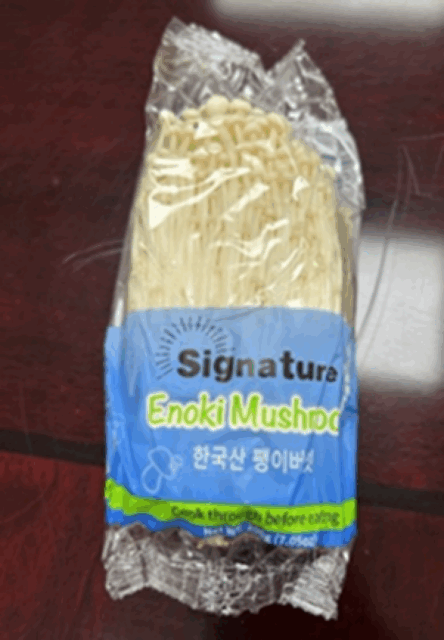
New Age International Inc of Brooklyn, NY 11206 is recalling its 200g (7.05OZ) packaged of Signature Enoki Mushroom, Product of K Food (Korea Food Signature) because they may be contaminated with Listeria monocytogenes, an organism which can cause serious and sometimes fatal infections in young children, frail or elderly people and others with weakened
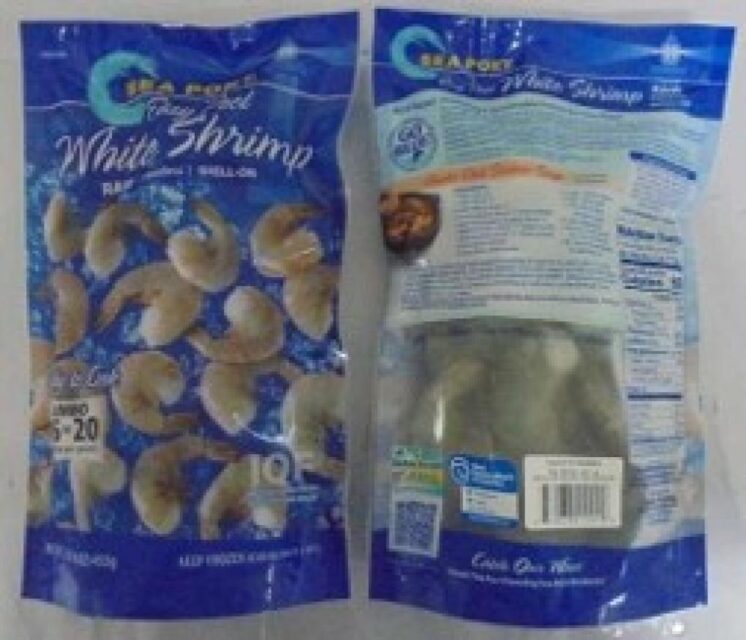
Sea Port Products Corp of Kirkland, WA is voluntarily recalling a limited amount of Sea Port brand bagged Frozen Raw Easy Peel White Shrimp Jumbo size 16/20 count/lb because they may have been prepared, packed, or held under insanitary conditions whereby they may have become contaminated with Cesium-137 (Cs-137).

Cs-137 is a man-made radioisotope of

Following a recall initiated by Fresh Creative Foods, a division of Reser’s Fine Foods, Inc., Albertsons Companies has voluntarily recalled five store-made deli items, supplied by Fresh Creative Foods, due to possible Listeria monocytogenes contamination. The recall was initiated because these products contain a recalled bowtie pasta ingredient manufactured by Nate’s Fine Foods of Roseville

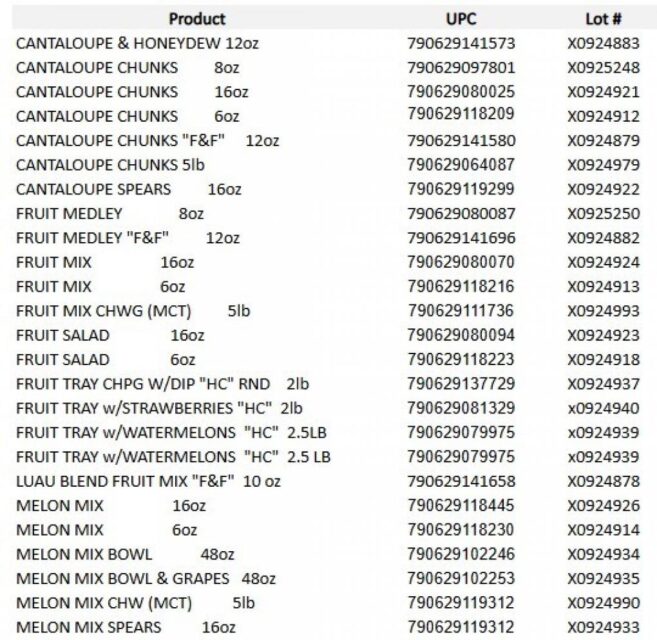
Wholesale Produce Supply of Minneapolis, Minnesota is recalling fresh cut/processed cantaloupe, because it has the potential to be contaminated with Listeria monocytogenes, an organism which can cause serious and sometimes fatal infections in young children, frail or elderly people, and others with weakened immune systems. Although healthy individuals may suffer only short-term symptoms such

Campylobacter jejuni (pronounced “camp-e-low-back-ter j-june-eye”) is a bacterium that was first recognized as a cause of human gastrointestinal illness in 1975. Since that time, the bacterium has been identified as the most common cause of bacterial foodborne illness in the U.S., ahead of Salmonella – the second most common cause (MMWR Weekly, 2000, March

Exposure to the hepatitis A virus (HAV) can lead to an acute liver infection that is typically mild and self-resolving. The symptoms and duration of illness can vary widely, with many individuals showing no symptoms at all. The most commonly associated symptoms of HAV infection include fever and jaundice.


Throughout history, hepatitis infections have

Shigellosis, commonly referred to as bacillary dysentery, is an infectious disease caused by the Shigella bacteria. Most individuals infected with Shigella develop symptoms such as diarrhea, fever, and stomach cramps, which typically manifest one to two days after exposure. The diarrhea is often bloody and can be quite severe, particularly in vulnerable populations like

When individuals refer to having “the stomach flu,” they are likely describing acute-onset gastroenteritis caused by noroviruses, which belong to the Caliciviridae family. Importantly, noroviruses are entirely distinct from influenza viruses.

According to the Centers for Disease Control and Prevention (CDC), noroviruses are responsible for nearly 21 million cases of acute gastroenteritis each year

There are two main species of Salmonella: Salmonella enterica (S. enterica) and Salmonella bongori (S. bongori). S. bongori primarily colonizes cold-blooded reptiles, whereas S. enterica can infect both humans and mammals. These species are further classified into subgroups known as serotypes or serovars, based on morphology, structure, mode of reproduction, and other criteria. To

Listeria is a gram-positive, rod-shaped bacterium that is widespread in nature and capable of growing in both anaerobic (without oxygen) and aerobic (with oxygen) conditions.

Listeriosis is one of the most significant bacterial infections globally, primarily resulting from the consumption of contaminated food. This disease is caused by Listeria monocytogenes, an opportunistic pathogen that