

 Botulism
Botulism is a rare but potentially life-threatening bacterial illness. Clostridium Botulinum bacteria grows on food and produces toxins that, when ingested, cause paralysis. Botulism poisoning is extremely rare, but so dangerous that each case is considered a public health emergency. Studies have shown that there is a 35 to 65 percent chance of death for patients who are not treated immediately and effectively with botulism antitoxin.
Infant botulism is the most common form of botulism. See below for symptoms specific to infant botulism.
Most of the botulism cases reported each year come from foods that are not canned properly at home. Botulism from commercially canned food is rare, but commercial canned chili products were identified as the source of a botulism outbreak in 2007.
Botulism neurotoxins prevent neurotransmitters from functioning properly. This means that they inhibit motor control. As botulism progresses, the patient experiences paralysis from top to bottom, starting with the eyes and face and moving to the throat, chest, and extremities. When paralysis reaches the chest, death from inability to breathe results unless the patient is ventilated. Symptoms of botulism generally appear 12 to 72 hours after eating contaminated food. With treatment, illness lasts from 1 to 10 days. Full recovery from botulism poisoning can take weeks to months. Some people never fully recover.
In general, symptoms of botulism poisoning include the following:
- Nausea
- Vomiting
- Fatigue
- Dizziness
- Double vision
- Dry skin, mouth and throat
- Drooping eyelids
- Difficulty swallowing
- Slurred speech
- Muscle Weakness
- Body Ache
- Paralysis
- Lack of fever
Infant botulism takes on a different form. Symptoms in an infant include lethargy, poor appetite, constipation, drooling, drooping eyelids, a weak cry, and paralysis.
The majority of botulism patients never fully recover their pre-illness health. After three months to a year of recovery, persisting side-effects are most likely permanent. These long-term effects most often include fatigue, weakness, dizziness, dry mouth, and difficulty performing strenuous tasks. Patients also report a generally less happy and peaceful psychological state than before their illness.
If a patient displays symptoms of botulism, a doctor will most likely take a blood, stool, or gastric secretion sample. The most common test for botulism is injecting the patient’s blood into a mouse to see whether the mouse displays signs of botulism, since other testing methods take up to a week.
Sometimes botulism can be difficult to diagnose, since symptoms can be mild, or confused with those of Guillan-Barre Syndrome.
If found early, botulism can be treated with an antitoxin that blocks circulation of the toxin in the bloodstream. This prevents the patient’s case from worsening, but recovery still takes several weeks.
Since botulism poisoning most commonly comes from foods improperly canned at home, the most important step in preventing botulism is to follow proper canning procedure. Ohio State University’s Extension Service provides a useful guide to sanitary canning techniques.
Further botulism prevention techniques include:
- Not eating canned food if the container is bulging or if it smells bad, although not all strains on Clostridium Botulinumsmell
- Storing garlic or herb-infused oil in the refrigerator
- Not storing baked potatoes at room temperature
To prevent infant botulism, do not give even a small amount of honey to an infant, as honey is one source of infant botulism.
 Listeria
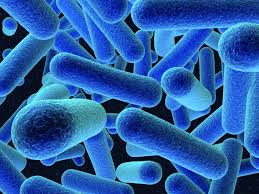
Listeria is a bacterium that causes a serious infection called listeriosis. Around 300 deaths are caused by Listeria infection each year, according to estimates from a 2011 CDC report.
Listeria bacteria are most commonly found in raw foods. Vegetables can be contaminated by soil and water carrying bacteria. Listeria is also found in raw animal products, such as meat and cheese.
Babies can be born with Listeria if the mother eats contaminated food during pregnancy. The death rate among newborns with Listeria is 25 to 50 percent.
Healthy adults and children hardly ever become seriously ill from Listeria. However, people at increased risk of illness from Listeria bacteria include:
- Pregnant women – Pregnant women are 20 times more likely to get listeriosis than the average healthy adult
- Newborns
- People with weak immune systems
- People with cancer, diabetes, or kidney disease
- People with AIDS – People with AIDS are 300 times more likely to get sick from Listeria than people with normal immune systems
- People who take gluticocorticosteroids such as cortisone
- Elderly people
Listeria symptoms appear anywhere between 3 and 70 days after infection, but usually around 21 days later. Typical symptoms include:
- Fever
- Muscle aches
- Nausea or diarrhea (less common)
If infection spreads to the central nervous system, symptoms can include:
- Headache
- Stiff neck
- Confusion
- Loss of balance
- Convulsions
Symptoms for those with Weakened Immune Systems
If a patient has a weak immune system, Listeria bacteria can invade the central nervous system and cause meningitis or a brain infection.
Symptoms for Pregnant Women and Newborns
Infected pregnant women experience mild, flu-like symptoms. However, infection during pregnancy can lead to miscarriage, infection of the newborn, or stillbirth. Symptoms usually appear in newborns in the first week of life, but can also occur later on. A newborn’s Listeria symptoms are often subtle, and include irritability, fever, and poor feeding.
Doctors can determine whether patients have listeriosis by taking a blood or spinal fluid sample.
Patients who present with symptoms of listeriosis can be treated with antibiotics.
Pregnant Women
If a pregnant woman takes antibiotics promptly after contracting Listeria, she can usually prevent the spread of the Listeria bacteria to her child. Babies who have listeriosis usually take the same antibiotics as adults.
People with Normal Immune Systems
- Thoroughly cook raw food from animal sources, such as beef, pork, or poultry
- Wash raw vegetables before eating them
- Keep uncooked meats separate from vegetables and cooked foods
- Avoid products made with unpasteurized milk
- Wash hands and cooking utensils after handling uncooked foods
- Consume perishable and read-to-eat foods as soon as possible
People at High Risk (Pregnant women and people with weak immune systems)
- Do not eat hot dogs or lunch meats unless they are heated to a temperature sufficient to kill Listeria bacteria
- Avoid getting liquid from hot dog packages on other food
- Wash hands after handling hot dogs and lunch and deli meats
- Do not eat soft cheeses (e.g. feta, Brie, Camembert, blue cheese, and queso blanco) unless the label clearly states that they are pasteurized
- Do not eat refrigerated pâté or meat spread, only canned or shelf-stable ones
- Do not eat refrigerated smoked seafood, sometimes labeled as “nova-style,” “lox,” “kippered,” or “jerky.” Canned or shelf-stable smoked seafood is ok.
 E. coli
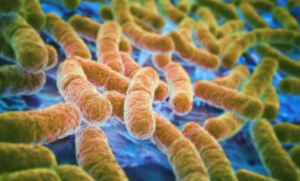
Escherichia coli (E. coli) are bacteria that live in human and animal intestines. Shiga toxin-producing strains of E. coli, or STECs, are responsible for most food-related E. coliinfections. E. coli O157:H7 and other STECs like E. coli O145 and E. coli O121:H19 produce a toxin called Shiga toxin, which causes illness in humans. E. coli bacteria do not make animals such as livestock and deer, which harbor the bacteria in their intestines, ill.
It is estimated that E. coli infections account for over 2,000 hospitalizations in the United States each year, according to a 2011 CDC report.
E. coli O157:H7 is most commonly found in cows, although chickens, deer, sheep, and pigs have also been known to carry it. Meat becomes contaminated during slaughter, when infected animal intestines or feces come in contact with the carcass. Ground or mechanically tenderized meats are considered riskier than intact cuts of meat because E. colibacteria, can be mixed throughout the meat in the grinding process or during tenderization.
Other foods that sometimes become contaminated with E. coli bacteria include unpasteurized milk and cheese, unpasteurized juices, alfalfa and radish sprouts, lettuce, spinach, and water. However, any food is at risk of becoming contaminated with E. coli through cross-contamination. One can also get E. coli bacteria from contact with feces of infected animals or people.
The breakdown of sources of E. coli bacteria from 1998-2007 was as follows:
- Food: 69%
- Water: 18%
- Animals or their environment: 8%
- Person-to-person: 6%
E. coli symptoms change as the infection progresses. Symptoms usually begin two to five days after infection. The initial symptoms include the sudden onset of cramps and abdominal pain, followed by diarrhea within 24 hours. Diarrhea will become increasingly watery, and then noticeably bloody. People with E. coliinfection also often feel nauseated and experience headaches. Less common symptoms include fever and chills.
Hemolytic Uremic Syndrome, or HUS, follows around 10 percent of E. coli O157:H7 infections. HUS occurs when Shiga toxins get into the bloodstream and cause the part of the kidney that filters toxins out of the blood to break down, causing kidney injury and sometimes kidney failure. Some HUS patients also suffer damage to the pancreas and central nervous system impairment.
Shiga toxin-producing E. coli infection can be diagnosed in a doctor’s office or hospital by laboratory analysis of a stool sample.
Bacteria isolated from patients’ stool samples can be compared through laboratory analysis, helping to match strains of E. coli to the food or other source it came from, a process called “fingerprinting.”
Illness from E. coli usually goes away within a week and does not cause any long-term problems. One should make sure to remain hydrated and get proper nutrition while sick.
Antibiotics are not used as E. coli treatment, as they do not improve the illness, and some studies show that they can increase the risk of HUS.
HUS is treated by hospitalization. Since there is no way to directly cure HUS, treatment includes care to alleviate symptoms.
Any food that you eat has the potential to be contaminated with E. coli bacteria. This is why it is important to take precautions in preparing food and before eating at restaurants. You should also be aware that E. coli bacteria can survive for several weeks on surfaces, so keeping countertops clean is important. Other simple steps you can take to reduce your risk of E. coli infection include:
- Wash hands thoroughly before and after eating and after going to the bathroom
- Sanitize all fruits and vegetables before eating by skinning them if possible and washing them before eating
- Check with your local department of health to find out which restaurants in your area have had recent problems with sanitation
- Avoid allowing raw meats to come into contact with other foods while cooking
- Do not allow children to share bath water with anyone who has diarrhea or symptoms of stomach flu
- Wash hands thoroughly after any contact with farm animals
- Wear disposable gloves when changing diapers of children with diarrhea
- Make sure ground meat (such as hamburger patties) reaches an internal temperature of at least 160°F
- Avoid drinking any non-chlorinated water
 Vibrio
Vibriosis is caused by Vibrio bacteria, such as Vibrio vulnificus Vibrio parahaemolyticus that grow in coastal waters. Risk factors for acquiring gastrointestinal Vibrio infections include: eating raw or undercooked shellfish (oysters, clams, mussels) or crabs; or cross-contamination of other foods and surfaces with raw shellfish or crabs during preparation.
Disease symptoms may include: nausea, vomiting, diarrhea, abdominal cramps, and in some cases, signs of severe infection (septicemia), including fever and low blood pressure.
Symptoms can start from 4 to 96 hours after eating contaminated food. Vibriosis can be a mild to serious disease. People with weakened immune systems – especially those with liver disease, diabetes, and peptic ulcers – are at highest risk for serious disease. The infection is not normally communicable from person to person.
Vibrio organisms can be isolated from the stool of patients with gastroenteritis, from blood specimens, and from wound exudates. Because identification of the organism in stool requires special techniques, laboratory personnel should be notified when infection with Vibrio species is suspected.
Vibrio infections can be treated with antibiotics. Most episodes of diarrhea are mild and self-limited, and do not require treatment other than oral rehydration. Antibiotics are indicated in people with wound infections, severe diarrhea, or septicemia. Septicemia should be treated with a third-generation cephalosporin plus doxycycline. In younger children, trimethoprim-sulfamethoxazole and aminoglycoside is an alternative regimen.
Medical providers are required to report, within three days, suspected or diagnosed cases of Vibriosis.
People most at risk for complications are pregnant women, people with weakened immune systems, liver disease and low stomach acidity, young children and the elderly.
Most people recover fully within a week.
Foods contaminated with Vibrio may look, smell and taste normal.
The following safe food practices will reduce your risk of getting sick from Vibrio and other foodborne illnesses.
▪ Do not eat raw shellfish.
▪ Cook shellfish thoroughly before eating, especially oysters. Shellfish should be cooked to a safe internal temperature of 74°C (165°F).
▪ Discard any shellfish that do not open when cooked.
▪ Eat shellfish right away after cooking and refrigerate leftovers.
▪ Always keep raw and cooked shellfish separate.
▪ Avoid eating oysters, or other seafood, when taking antacids as reduced stomach acid may favour the survival and growth of Vibrio species.
▪ Always wash your hands for 20 seconds with soap after using the bathroom.
▪ Avoid exposing open wounds or broken skin to warm salt or brackish water, or to raw shellfish. Wear protective clothing (like gloves) when handling raw shellfish.
▪ Wash your hands well with soap before handling any food. Be sure to wash your hands, cutting boards, counters, knives and other utensils after preparing raw foods.
People infected with Vibrio can experience a wide range of symptoms. Some do not get sick at all, while others feel as though they have a bad case of stomach flu. Few people get seriously ill.
Most people develop one or more of the following symptoms 12 to 24 hours after being infected with the bacteria:
▪ watery or bloody diarrhea
▪ stomach cramps
▪ nausea
▪ vomiting
▪ fever
▪ headache
▪ chills
▪ abnormally low blood pressure
▪ bacteria present in the blood
The illness can last up to three days, and severe illness is rare. Patients should drink plenty of liquids to replace fluids lost through diarrhea.