

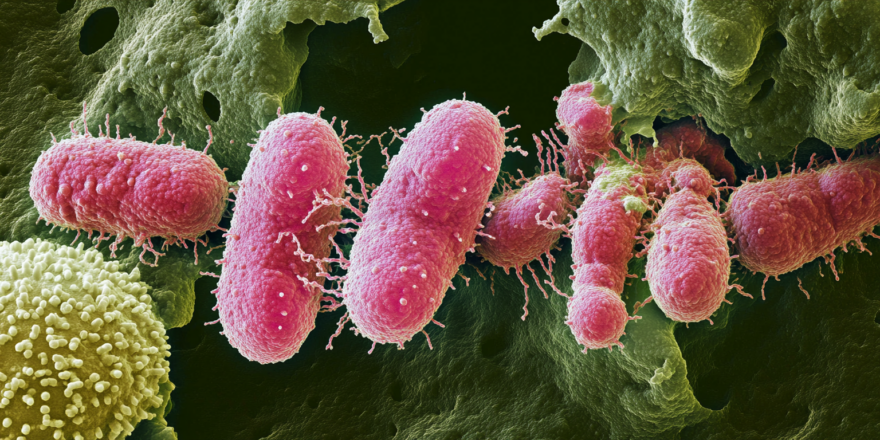
What You Need to Know: The California Department of Public Health (CDPH) is advising consumers to be aware of possible exposure to Shiga toxin-producing E. coli (STEC) O157:H7 bacteria from consumption of beef kofta (seasoned ground beef kebabs) served at The Kebab Shop restaurant chain locations in Northern and Southern California. Consumers should call their health care provider if they become sick with symptoms of STEC infection within 10 days of eating this product.
Sacramento – CDPH is working with local health departments and federal partners to investigate an STEC O157:H7 outbreak linked to the consumption of beef kofta served at several California locations of The Kebab Shop restaurant chain. The Kebab Shop has voluntarily paused sales of grilled beef kofta at all locations.
Symptoms of STEC infection may include diarrhea (often bloody), vomiting and abdominal cramps. Symptoms usually start three to four days after a person is infected. Most people get better on their own within a week, but some people may develop severe diseases that require hospital care. Young children are at highest risk of getting hemolytic uremic syndrome (HUS), a severe complication that can lead to acute kidney failure.
As of May 19, 2026, nine California residents have been infected with the outbreak strain of STEC O157:H7. Illness onset dates range from March 27 through April 30, 2026. Six illnesses are in children. Five individuals have been hospitalized, and two have developed HUS. No deaths have been reported. No individuals from other states are currently linked to this outbreak.
Interviews with ill individuals indicate that grilled beef kofta served at The Kebab Shop is the likely outbreak source. The Kebab Shop is fully cooperating with public health officials and voluntarily paused sales of grilled beef kofta at all locations on May 18.
The risk of exposure to this product is not ongoing at this time. While the investigation is ongoing, current information suggests the implicated beef product was distributed only to The Kebab Shop. CDPH and partner agencies continue to investigate to identify the cause of the outbreak, monitor for additional ill persons, and conduct product testing.
What You Can Do
- Contact healthcare provider and discard leftover beef kofta: Consumers who ate beef kofta (ground beef kebabs) from any location of The Kebab Shop and develop symptoms of STEC infection within ten days should contact their health care provider. Consumers should discard any leftover grilled beef kofta from The Kebab Shop.
- Wash and sanitize: Consumers and businesses should wash and sanitize surfaces or utensils that may have come into contact with raw or undercooked beef.
- Cook beef to 160°F: Ground beef and ground beef patties should be cooked to an internal temperature of 160°F to kill harmful bacteria.
- Healthcare providers should look for signs of potential STEC infection: Healthcare providers should be aware of potential STEC infection and risk for hemolytic uremic syndrome (HUS) among patients, particularly for patients under 5 years of age, presenting with diarrhea or bloody diarrhea and who report eating at The Kebab Shop within 10 days of illness onset. Healthcare providers are encouraged to pursue stool testing in these patients.
For more information about STEC infections, visit CDPH’s Shiga Toxin-Producing E. Coli (STEC) Infection.