
July 2008

Just in time to ruin your summer vacation to Bar Harbor and other locations on the beautiful Maine coast comes this warning from our friends at the U.S. Food & Drug Administration (FDA):

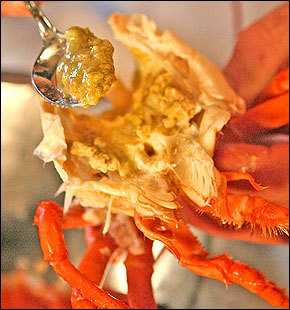
Avoid eating tomalley in American Lobster (Maine Lobster), regardless of where the lobster was harvested, because of potential contamination with dangerous
You cannot see it, taste it, or smell it. 250,000 E. coli O157:H7 (E. coli) bacteria will fit on the head of a pin. Ten to 50 will kill your child or your grandmother.
More likely due the expertise of Children’s Hospitals, and other top medical centers around the country, deaths at times are avoided,

The U.S. Food & Drug Administration(FDA) and the Centers for Disease Control & Prevention (CDC) held a joint media conference call this afternoon.   It came shortly after CDC posted new numbers of culture confirmed cases of Salmonella Saintpaul.

We cover that in great detail over on the Salmonella Blog.   Check out Salmonella Saintpaul Makes More Than 1,000 Sick: CDC Putting Focus On Peppers, Cilantro As Well

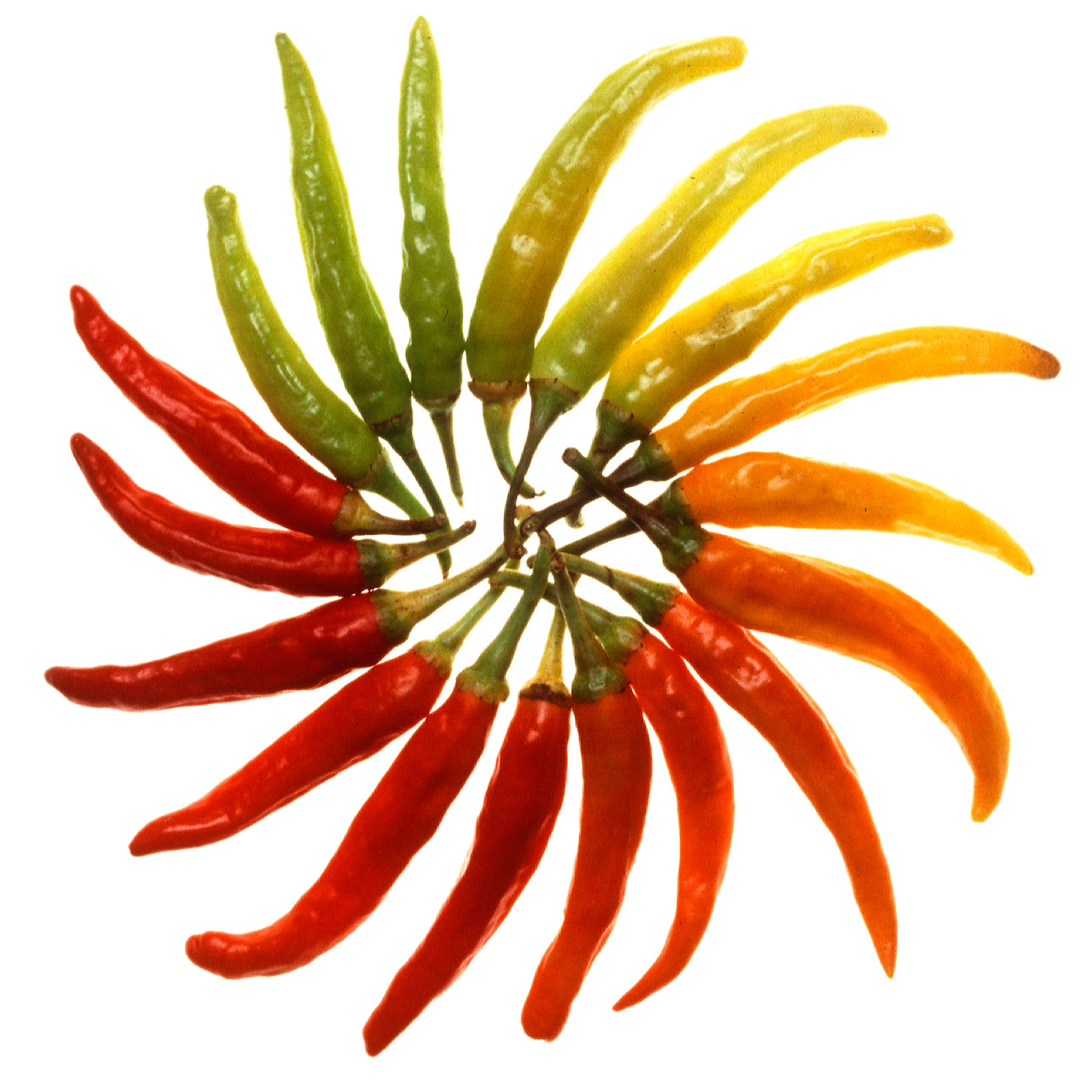
From their session with the media, we think its fair to say that "hot" peppers have taken their place as equals along side tomatoes in the ongoing hunt for the source of the Salmonella Saintpaul outbreak. 

But anyone who thinks either FDA or CDC will be treating "hot" peppers like they did tomatoes is missing the wisdom of something Emerson once said:  "foolish consistency is the hobgoblin of little minds."

For example, there is no warning going out to the general public about "hot" peppers.   Instead, there’s this posted tonight on FDA’s website:

Although epidemiological and other evidence continues to have a strong association with certain raw tomatoes, a recent case control study and disease cluster information provided by the Centers for Disease Control (CDC) indicate that not only tomatoes, but also raw jalapeno and serrano peppers may be linked to illnesses in this continuing outbreak.

At this time, the FDA is advising people in high risk populations such as elderly persons, infants and people with impaired immune systems to avoid eating raw jalapeno and raw serrano peppers.

In addition, the FDA continues to advise consumers to avoid eating raw red plum, red Roma, or red round tomatoes except for those grown in the areas listed (see extended reading area) below. Tomatoes grown in those areas have not been associated with the outbreak.

Nor will there be any list of safe "hot" pepper growing areas as with tomatoes.  Dr. David Acheson, FDA’s associate commissioner for foods, says the safe list sort of grew up when some growing areas pointed out the Salmonella Saintpaul outbreak started before they were producing a crop.

What FDA and CDC are doing is working their tracebacks hard.   They’ve been helped by having more clusters to work with as the outbreak has continued.  And, the two agencies aren’t worried about any oversight this outbreak might bring them.

"Our mission is to protect public health," said Acheson.

Continue Reading FDA & CDC Now Hot After Hot Peppers As Outbreak Investigation Mounts New Charge

The CDC reports this evening that "fresh tomatoes, fresh hot chili peppers such as jalapeños, and fresh cilantro are the lead hypotheses. However, at this point in the investigation, we can neither directly implicate one of these ingredients as the single source, nor discard any as a possible source".

Since April, 971 persons infected with

Really?  According to the CDC, for every one person who is a stool-culture positive victim of salmonella in the United States, there a multiple of 38.5 who are also sick, but remain uncounted. (See, AC Voetsch, “FoodNet estimate of the burden of illness caused by nontyphoidal Salmonella infections in the United States, ”Clinical Infectious Diseases

As Americans go into the 4th of July weekend, they will not be getting a break.  Fear the hamburger.  Pass on the tomatoes.  Fireworks, but better skip the salsa.   We are experiencing another year just like the last one, awash in food-borne illness.

Last year was so obvious.   Topps was reeking in E. coli O157:H7.  There was undercover video tape of the Chino slaughterhouse.  This year, there is mystery.  More than usual.   The rare Salmonella Saintpaul has had its way with America for six weeks leaving our blue-chip food safety agencies without a clue as to where its coming from.

About the 4th of July,  John Adams said: "It ought to be solemnized with Pomp and Parade, with Shews, Games, Sports, Guns, Bells, Bonfires and Illuminations from one End of this Continent to the other from this Time forward forever more."  Kroger customers who are recovering from E. coli O157:H7 probably won’t feel much like celebrating.

Maybe those good folks will spend time contemplating why the near 2,500-store Kroger chain is still buying from the notorious Nebraska Beef Ltd.   You would think Kroger would have a sufficient sense of corporate responsibility to check out the background of its beef suppliers.

From the Centers for Disease Control & Prevention (CDC), here’s the latest on the nation-wide Salmonella Saintpaul and Michigan/Ohio E. coli outbreaks.

SALMONELLA SAINTPAUL

Since April, 869 persons infected with Salmonella Saintpaul with the same genetic fingerprint have been identified in 36 states and the District of Columbia. These were identified because clinical laboratories in all states send Salmonella strains from ill persons to their State public health laboratory for characterization.

The number of ill persons identified in each state is as follows: Arkansas (10 persons), Arizona (41), California (10), Colorado (11), Connecticut (4), Florida (1), Georgia (20), Idaho (3), Illinois (91), Indiana (11), Kansas (14), Kentucky (1), Maine (1), Maryland (29), Massachusetts (21), Michigan (6), Minnesota (2), Missouri (12), New Hampshire (3), Nevada (11), New Jersey (6), New Mexico (90), New York (26), North Carolina (5), Ohio (7), Oklahoma (23), Oregon (10), Pennsylvania (8), Rhode Island (3), Tennessee (6), Texas (346), Utah (2), Virginia (22), Vermont (2), Washington (4), Wisconsin (6), and the District of Columbia (1).

Among the 588 persons with information available, illnesses began between April 10 and June 20, 2008, including 179 who became ill on June 1 or later. Many steps must occur between a person becoming ill and the determination that the illness was caused by the outbreak strain of Salmonella; these steps take an average of 2-3 weeks.

Therefore, an illness reported today may have begun 2-3 weeks ago. Patients range in age from <1 to 99 years; 48 percent are female. The rate of illness is highest among persons 20 to 29 years old; the rate of illness is lowest in children 10 to 19 years old and in persons greater than 80 years old. At least 107 persons were hospitalized.

No deaths have been officially attributed to this outbreak. However, a man in his sixties who died in Texas from cancer had an infection with the outbreak strain of Salmonella Saintpaul at the time of his death. The infection may have contributed to his death.

Only 3 persons infected with this strain of Salmonella Saintpaul were identified in the country during the same period in 2007

E. COLI O157:H7

We will continue with information on the E. coli O157:H7 outbreak involving Kroger and Nebraska Beef in the extended reading section.Continue Reading Be Careful Out There! Eating on 4th Could Be More Dangerous Than Fireworks!